- You are here:
- Background information »
- Redfield ratio
Redfield ratio
The Redfield ratio compares nitrogen and phosphorus. Some aquarists use it as a guide when looking at nitrate, phosphate and algae. The method is based on a ratio of 16 parts nitrogen to 1 part phosphorus; it is not a guarantee of algae-free growth, and different aquariums can respond differently.
Importantly, a nitrogen-to-phosphorus ratio is not the same as the nitrate-to-phosphate readings on aquarium test kits. The practical rule in the original guide is roughly ten times as much nitrate as phosphate when both are measured in mg/l or ppm, with nitrate kept below 20 ppm. Use a calculator that accounts for the different compounds rather than applying 16:1 directly to your test results.
Measure your water before adding nitrate or phosphate. The linked calculator gives lower and upper limits and indicates when a water change is appropriate. Keep lighting, CO2, circulation and the condition of your plants in mind as well.
Measure before you adjust
Start by measuring your aquarium water. We recommend liquid drop tests for nitrate and phosphate. Follow the test instructions carefully and check the expiry date when buying or using a kit.
Record the results, then use the Lamarti Redfield ratio calculator to compare them. For advice on mixing a stock solution, see the usage instructions on the relevant product page. Adjust gradually and keep watching your plants and livestock.
Background to the Redfield ratio
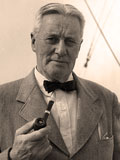 The ratio takes its name from Alfred C. Redfield (1890-1983) and his work on carbon, nitrogen and phosphorus in the ocean. Parts of the original article on this site were based on Charles Buddendorf's Redfield article (archived version), with permission given at the time.
The aquarium approach uses nutrient proportions in an attempt to favour plant growth over algae. This can be a useful way to think about balance, but an ocean-derived ratio is not a complete fertiliser recipe for a freshwater aquarium. Use it alongside water measurements and observations of the aquarium.